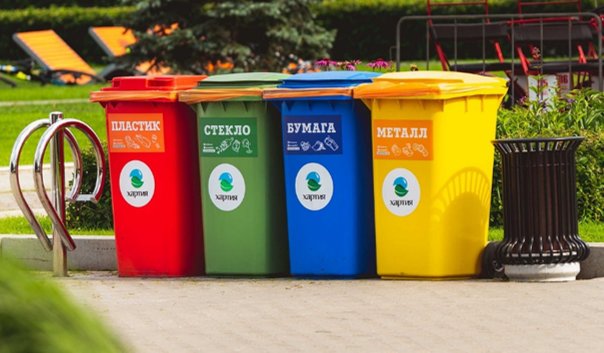
This lets the authorities to eliminate costs and risks associated with unnecessary collection, including fuel, staff time and maintenance costs and at the same time maintain sanitation around the city. Emptying only full trash cans allows them to thereby streamline their service and save big. It can also provide them with opportunities to resize the collection workforce based on the patterns drawn on the context of the received data.
Furthermore, the fossil fuels needed to power the collection trucks and their emissions cause great harm to the environment. Incorporation of smart technology into waste management systems is expected to reduce this harm by up to 50% thereby contributing towards a sustainable environment.
Smart Transportation
Smart public transport technology can help local governments to make the cities function more efficiently while upgrading services to citizens. Hazardous weather conditions, intense traffic, and risky speeds can all result in accidents and fatalities. Smart technologies have the ability to improve commutes across traditional public transport, with immediate benefits for city dwellers across the globe. The data collected through the deployed smart technology can aid the local authorities to control traffic, limit infrastructure damage, making public parking spaces more efficient and enhance traffic safety.
Real-time weather monitoring systems associate data on wind speed, visibility, road conditions, and rainfall, providing traffic controller on information on up-to-date driving conditions. These smart transportation systems enable traffic lights to respond based on the changing traffic patterns instead of a fixed schedule. This allows for prioritizing certain traffic, such as public transit and emergency vehicles. Collecting traffic data also helps measure peak traffic times; journey distances and other data that help optimize the traffic situation in the city.
Data collection also makes parking management a breeze. Smart parking systems scan the vehicles for their number plates, available parking spaces in the lot and transmit this information to reduce parking time. This also helps to document illegally parked vehicles thereby making it easier to enforce parking regulations throughout the city streets.
Smart Building Management
Smart technology can be implied in the form of “Building Utility Management Systems” or “BUMS” which entails of centralized systems that monitor, control, and record the functions of building services systems. BUMS works by linking the functionality of individual equipment and operate them as one integrated system. With the rising electricity costs and energy consumption by buildings, it is essential for local governments to optimize the public building operations to tame these expenditures and improve their consumption patterns based on the occupancy levels, weather conditions, and time of day and routine patterns. Smart technology not only integrates all the elements of the building but also provides real-time data to the concerned authorities to facilitate the management of the entire building while at the same time enhance the operations of the employees by providing the correct working conditions and HVAC. Smart technology also helps to enhance the overall physical of the building through smart video analytics.
Since through application of smart technology the building functions operate in the ‘cloud’, such as cloud-based analytics, and the ability to access and manage multiple buildings remotely it becomes easier for local authorities to manage all concerned buildings at the same time without any hassle. The ability to access live analytics or receive alarm notifications from hand-held devices makes managing these buildings even simpler.
Public Space Management
Public space plays an important role in the city’s inclusive development and hence is a central topic when it comes to urban planning circles by the local policy makers. Smart technology has the ability to transform the conventional user experience and enhance the capacity of public spaces to accommodate the present day lifestyle of the citizens Monitoring of public spaces through the application of smart technology helps improve accessibility, utilization or aesthetics of public spaces, and also helps the authorities in understanding the behavioural patterns of the citizens through collection of dynamic data (pedestrians, mobility behaviour, environmental data, etc.).
The incentive for this data-gathering is to assist local governments in decision-making. Continuous assessment can serve as a basis for the further development of urban public spaces, in terms of fulfilling the requirements of the city residents and increasing the attraction of public spaces.